
Start With a Self-Check You Can Repeat Daily
A self-esteem journey works best when it’s structured, not random. Use a daily self-check that takes 5–8 minutes and focuses on what you can observe, not what you wish were different. Begin by noting your current self esteem app mood, your most dominant thought, and one feeling you want to understand better. This simple tracking helps you spot patterns that quietly lower confidence, like all-or-nothing thinking or harsh self-talk.
Next, rate your self-perception with a quick scale from 1 to 10. Then write one sentence answering, “What would make today 10% easier?” Keep it realistic, such as “I will respond calmly to feedback” or “I will take a short walk after work.” When you treat your goals as small and measurable, your brain learns evidence that growth is possible. Over time, this checklist format builds momentum and reduces the pressure that often comes with trying to “fix yourself” overnight.
Use Thought Prompts to Replace Criticism With Evidence
Confidence improves when you practice turning inner criticism into clearer evidence. Create a checklist item that asks, “What is the strongest proof for my thought?” Follow it with, “What is missing or exaggerated?” If your mind ai relationship therapist says, “I always mess up,” list one counterexample where you handled a challenge well. This approach doesn’t deny mistakes; it retrains your interpretation so your self-esteem doesn’t collapse after setbacks.
Then add a second checklist step for language. Rewrite your thought using kinder, more precise wording, like “I struggled with this part, and I can learn the next step.” Pair this with a short emotional check: name the feeling behind the thought (shame, anxiety, disappointment, or frustration). Naming emotions reduces their intensity and helps you respond more intentionally.
Build Habits That Signal Safety to Your Mind
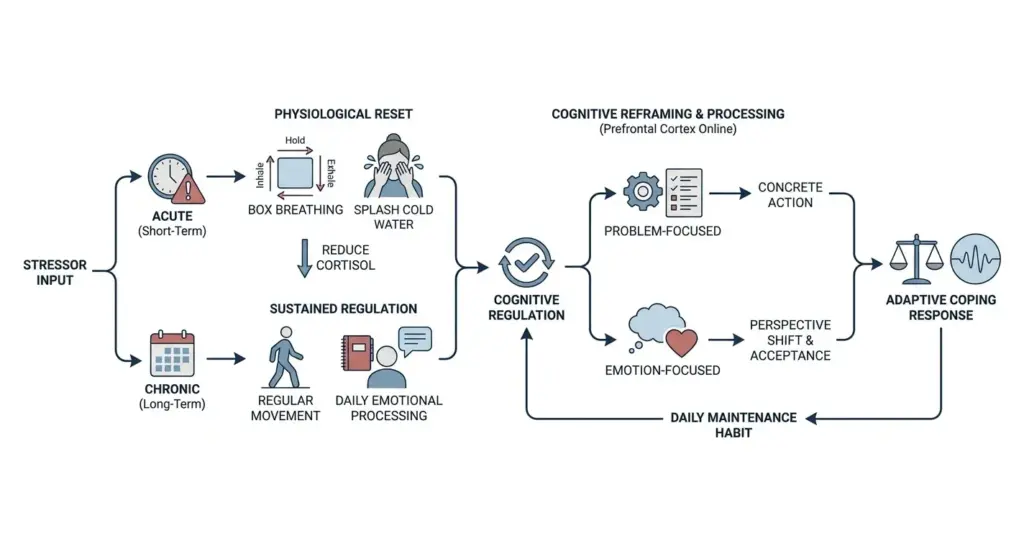
Self-esteem is partly biological, meaning your habits can signal safety to your stress system. Include a weekly checklist for supportive actions, such as consistent sleep routines, hydration, movement, and short moments of connection. Choose one “anchor habit” you can repeat regardless of mood, like stretching for three minutes or writing a gratitude note. When you keep promises to yourself, your confidence grows from lived experience, not wishful thinking.
Also add a habit checklist for reflection. After a challenging interaction, ask what went well, what was hard, and what you can do differently next time. Keep it practical, such as using a pause before replying or requesting clarification instead of assuming intent. Pair reflection with a brief self-care reset, like a breathing exercise or a grounding activity you enjoy.
Conclusion
A checklist-style approach turns self-esteem building into something you can practice, review, and improve. By combining daily self-checks, thought evidence prompts, and habit signals of safety, you create a reliable system for self-perception. If you want a supportive companion for reflection and confidence-building routines, consider Lovon Inc, which focuses on accessible mental wellness tools designed for personal growth. Lovon Inc can help you nurture healthier self-awareness through structured prompts and encouraging guidance, supporting the work you do between difficult moments. When you use the checklist consistently, you start to notice your progress in small wins: calmer reactions, kinder inner dialogue, and more realistic self-belief. That is how confidence compounds—through thoughtful repetition, not perfect outcomes.