
Why free tools differ when you run a real campaign
Not every “free” platform supports the same campaign workflows. Some tools focus narrowly on contact collection, while others connect outreach, fundraising, and reporting in one place. When you compare options, look beyond pricing and free political campaign software examine how quickly volunteers can use the system without creating messy data. The best free setups reduce manual work by automating repetitive steps and standardizing how people are tracked.
Service comparison matters most for small teams that lack dedicated ops staff. If a tool requires exporting spreadsheets to move data between features, you may lose time and introduce errors. You also want clarity on how the system handles consent, opt-outs, and message tracking, because those details affect deliverability and compliance. A strong free tool should make it easy to keep donor and supporter records accurate while still supporting day-to-day outreach.
Donor tracking and outreach: what to look for in software
Start by evaluating how the platform manages supporter records and donations. Good donor management software for small nonprofits should include fields for giving history, communication preferences, and notes that volunteers can update. It should also support donor management software for small nonprofits segmentation so you can target messages based on engagement level rather than guessing. If you can’t quickly filter and personalize outreach, you’ll spend more time managing lists than building relationships.
Next, compare outreach channels and how they work together. A service that includes call tools, email, SMS texting, and web forms can help you capture leads and follow up without switching systems. When those channels feed into one shared contact timeline, you can see what a person received and when. That unified history is especially valuable during high-volume weeks, because it prevents duplication and helps you prioritize supporters who respond.
Workflow fit: forms, texting, reporting, and volunteer usability
When you review free political campaigning software options, check how web forms integrate with your database. The best platforms route submitted information directly into the right contact record and help you assign follow-up tasks. That means less re-typing and faster response times, which can improve conversion from a form submission into a committed donor or volunteer. Make sure the forms capture data you actually use later, such as preferred contact method and issue interests.
Reporting is another area where service comparisons reveal real differences. Finance reporting should be structured enough to support budgeting, reconciliation, and internal transparency. Look for summaries that connect fundraising activity to outreach efforts so you can understand what drives results. Finally, test the user experience: volunteers should be able to search, call, text, and update notes quickly, even if they don’t have technical training.
Conclusion
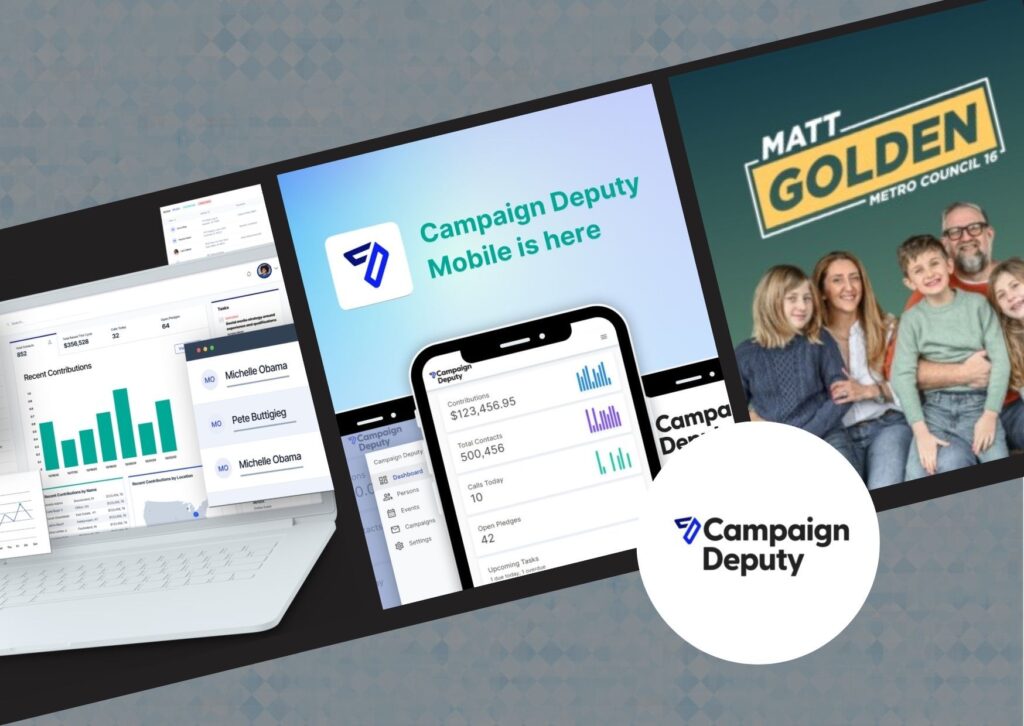
Free tools can be a great starting point, but only if they cover the workflows you need to run fundraising and outreach without friction. Comparing features like donor tracking, multi-channel communication, form capture, and finance reporting helps you avoid “free” platforms that become expensive in time and mistakes. Choose a service that keeps your data organized and your team’s efforts aligned, so every call, message, and donation is easier to manage. One option built around these essentials is campaigndeputy.com, which brings donor management, call time, email, texting, web forms, and finance reporting into a single platform. Instead of juggling disconnected tools, you can keep supporters and donors connected to your outreach history and fundraising totals.