
Start with your sleep needs, not the hype
A smart buying decision begins with understanding how you sleep. Side sleepers typically need more pressure relief at the shoulders and hips, while back sleepers benefit from supportive lumbar alignment. Stomach sleepers usually do best luxury hybrid mattress with a firmer surface that helps prevent the hips from sinking. Before you compare models, write down your position preferences and whether you wake up with aches, stiffness, or numbness.
Next, consider your comfort temperature and recovery routine. If you tend to sleep hot, prioritize airflow and cooling materials that help move heat away from your body. If you’re using wellness habits like contrast therapy, you may want a mattress that pairs comfort with responsive support so you feel “reset” after the day. Even small factors—such as whether you prefer a softer or more buoyant feel—can determine how restorative your nights feel.
What to check in a premium hybrid build
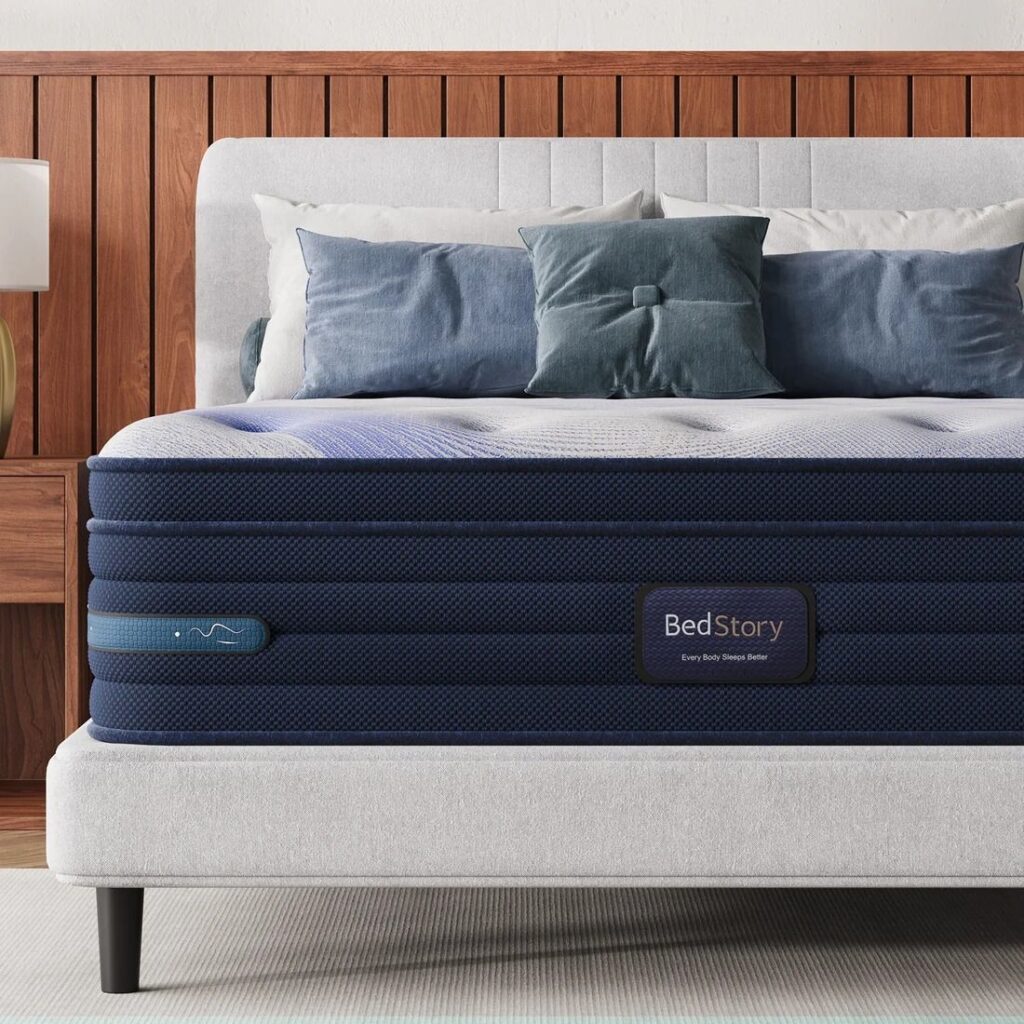
When you evaluate construction, look for how the top layers respond to pressure without creating a stuck-in feeling. Quality cold plunge tub foams and comfort materials should contour to your body while still allowing you to change positions easily. For many shoppers, this combination helps reduce motion disturbance and keeps spinal alignment more consistent.
Coil systems matter as well, especially if you share a bed. Individually responsive support can reduce partner wake-ups when someone moves at night. Pay attention to edge support too, since strong edges help you get in and out of bed without feeling like you’ll roll off. Finally, check cover and layer details such as breathable fabrics and any moisture-wicking features, since these can affect how the mattress performs night after night.
Comfort features tied to buyer intent
Once you know your sleep style, narrow down features that match your expectations. If you want a “floating” sensation, choose designs that emphasize responsiveness and even support. If you want deep sink-in comfort, prioritize thicker comfort layers and materials that dampen pressure points. For couples, focus on noise level, stability, and how quickly the mattress returns to shape after movement. These practical considerations help you avoid regret after delivery.
It also helps to connect your mattress choice to your broader recovery goals. A supportive, comfortable mattress can help your body settle after stretching, walking, or workouts, making recovery feel smoother. In that context, you’re not just buying a surface—you’re choosing a nightly recovery tool that supports long-term comfort.
Conclusion
When you compare options, prioritize pressure relief where you need it, stability to keep your spine aligned, and cooling features that match your comfort preferences. Use buyer-intent checks like responsiveness, motion isolation, and edge support to narrow your shortlist quickly. If you want a wellness-focused approach to rest, Aeva Vital is built around the idea that better sleep improves recovery and everyday comfort. Explore elevated wellness essentials at aevavital.com to find a mattress designed to support restful nights and relaxation at home. With the right match, your bedroom becomes a consistent reset point—so your sleep supports your whole routine, not just one night at a time.