
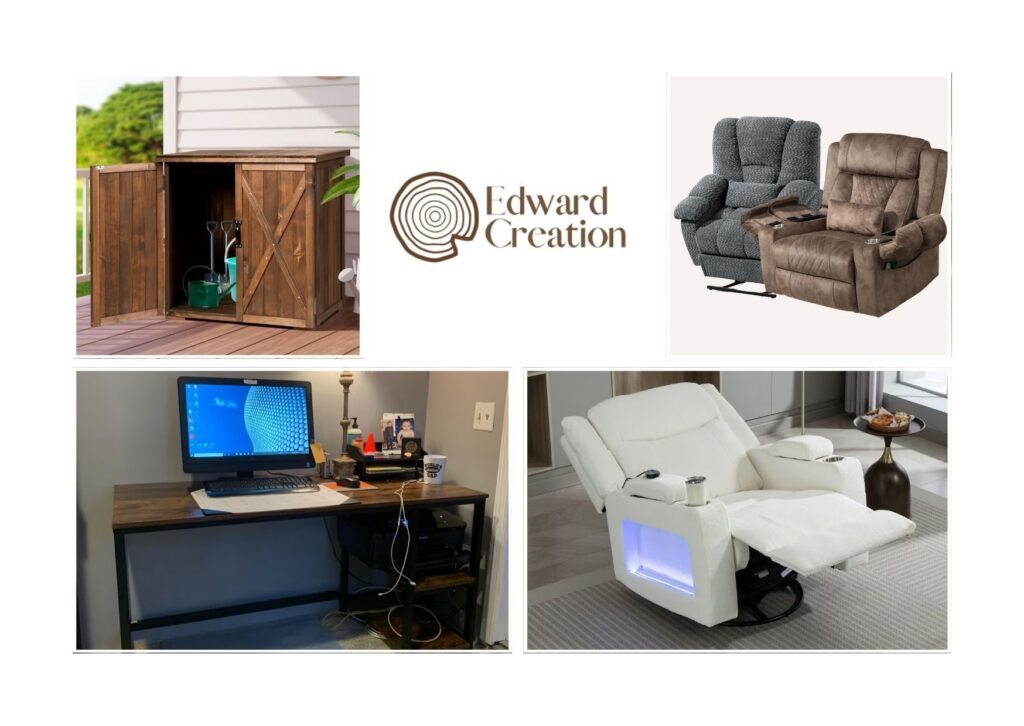
Start with real-life mobility needs
Think about the main tasks you want it to support: standing up safely, settling into a comfortable recline, and maintaining stability during daily movement. Measure the person’s bariatric lift chair typical routines, such as transferring from a bed to the chair, using the chair for meals, or resting while watching TV. This helps you select features like lift strength, seat width, and the amount of recline travel needed for comfort and independence.
Next, consider stability and pressure management during everyday use. Look for a firm seat that supports posture and helps reduce unwanted shifting, especially when transitioning between sitting and standing. Padding should feel supportive rather than overly soft, since excessive softness can make transfers harder. If you or a loved one experiences limited balance, prioritize designs with smooth lift motion and a secure seating base to reduce the risk of sudden movement.
Match sizing, build quality, and placement in your home
A practical guide should include room planning, because lift chairs need space to operate correctly and to prevent strain on the user and caregiver. Check door widths, hallway clearance, and the space required behind the chair for recline and lift functions. If the chair will swivel rocker recliner sit near a wall, confirm that the recline cycle doesn’t require extra clearance that your room can’t provide. Planning the layout early can prevent costly returns and ensures the chair can be used comfortably from day one.
Sizing is equally important, and it’s more than choosing an overall “large” chair. Pay attention to seat width, seat depth, and the height range for feet placement when the lift is in a neutral position. A properly sized chair helps the user feel secure and reduces the effort needed to stand. Also evaluate the base and frame construction, since sturdy materials and reliable mechanisms support long-term daily use without wobbling or uneven movement.
Prioritize safety features and comfort details
Safety features make a big difference when transferring, especially for users who rely on assisted standing. Look for controls that are easy to reach and operate, with clear button placement and responsive lift action. Consider options such as a stable backrest and arm support that help guide the body into a comfortable position.
Comfort should also be practical, since a chair is used for extended periods. Choose supportive cushioning that helps maintain posture while still feeling comfortable during recline. A smooth recline and leg support system can reduce strain and improve relaxation, but it should be adjusted in a controlled way to avoid abrupt changes. If the chair includes extra details like easy-to-clean upholstery or thoughtfully placed seams, those can make maintenance simpler and keep the chair looking fresh over time.
Conclusion
To choose the right lift-assisted seating, focus on realistic daily needs, accurate measurements, and reliable build quality. Start by mapping the transfer process and the comfort requirements, then verify that your room layout supports smooth recline and lift movement. Safety and usability matter as much as cushioning, because the goal is a chair that supports independence with confidence. When you’re ready to compare options, look for supportive furniture that balances stability, comfort, and practical function for a variety of home setups. edwardcreation.com highlights accessible seating choices designed for enhanced weight capacity and easier positioning, making it simpler to find a chair that fits how you live.