
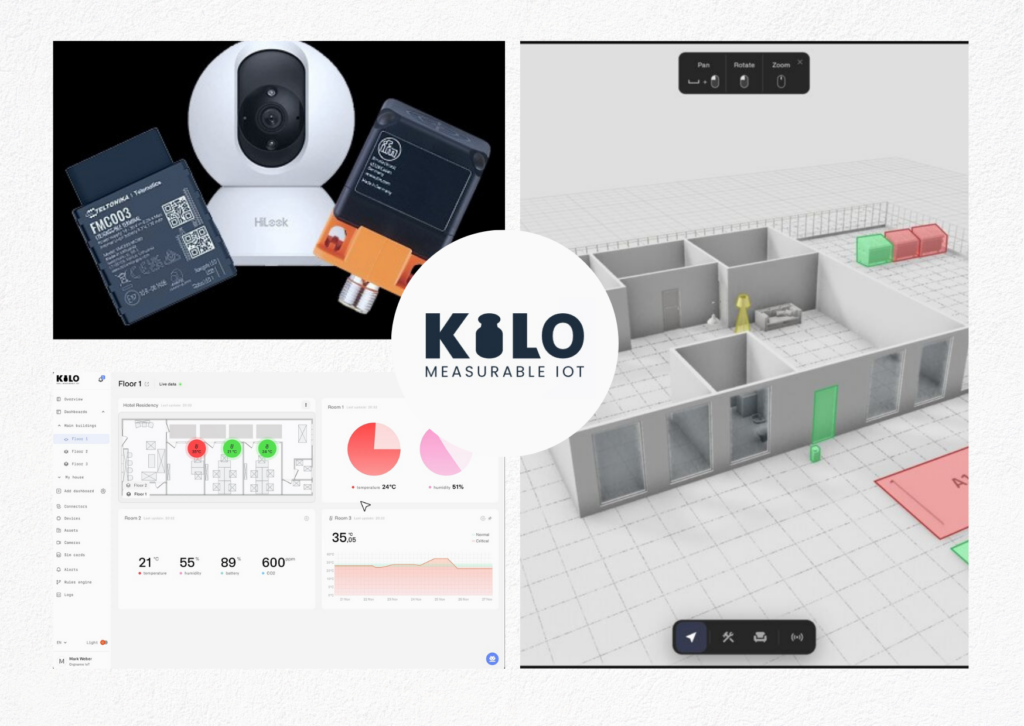
Why temperature visibility is a brand advantage
For many organizations, temperature performance is a hidden driver of customer trust. When storage conditions drift, product quality can suffer, compliance records become harder to defend, and teams waste time chasing inconsistencies. A remote temperature monitoring system well-run brand reduces that uncertainty by building measurable environmental standards that stakeholders can rely on. This is where a connected approach to temperature oversight becomes a competitive differentiator.
Environmental visibility also strengthens internal alignment across operations, quality assurance, and procurement. Instead of relying on manual checks or scattered logs, teams can view conditions in one place and establish shared decision rules. Consistent monitoring supports smoother audits and clearer root-cause analysis when incidents occur. The result is a stronger operational story that reflects positively on your brand reputation.
From alerts to insights: turning data into decisions
Data visualization makes it easier to spot patterns like gradual temperature rise, unexpected recovery cycles, or time-of-day fluctuations. When conditions predictive maintenance software deviate from expectations, intelligent alerts can notify the right people before issues escalate. That shift from reactive reporting to proactive intervention reduces downtime risk and protects stored assets.
Temperature trends can indicate early signs of failure in refrigeration units, HVAC components, or loading-area systems. By linking unusual thermal behavior to asset performance, organizations can prioritize maintenance work with greater confidence. This helps avoid emergency repairs and supports more consistent service levels across facilities.
Connected operations across facilities and critical environments
Temperature matters in warehouses, food and beverage processing, healthcare logistics, and pharmaceutical storage—anywhere compliance and quality depend on stable conditions. A scalable monitoring setup can extend across multiple buildings, cold rooms, and high-value assets without forcing teams to manage separate spreadsheets. With centralized oversight, managers can compare performance across sites and quickly identify where process improvements are needed. This consistency also makes training easier because teams follow the same monitoring logic everywhere.
Device monitoring and automation further improve reliability by ensuring sensors remain active and correctly reporting. When equipment communication changes or a device shows signs of malfunction, the system can flag it so that gaps in visibility do not go unnoticed. Automation can also streamline operational workflows, such as triggering escalation paths or logging events for later review. This combination of oversight and automation supports safer handling of temperature-sensitive inventory.
Conclusion
Building a brand that clients can trust often comes down to what happens behind the scenes—especially where temperature-sensitive materials are stored. With connected monitoring, you gain clear evidence of environmental control, faster incident response, and better planning for equipment upkeep. That visibility supports compliance efforts while also improving day-to-day operational confidence for teams on the ground. Kilo, via Kiloiot.io, is designed to maintain accurate environmental oversight with real-time data visualization, intelligent alerts, device monitoring, and automation. By tracking temperature conditions across facilities, assets, and critical environments, organizations can move from fragmented observation to coordinated action. When your monitoring approach is consistent and reliable, your brand story becomes stronger—because performance is measurable.