
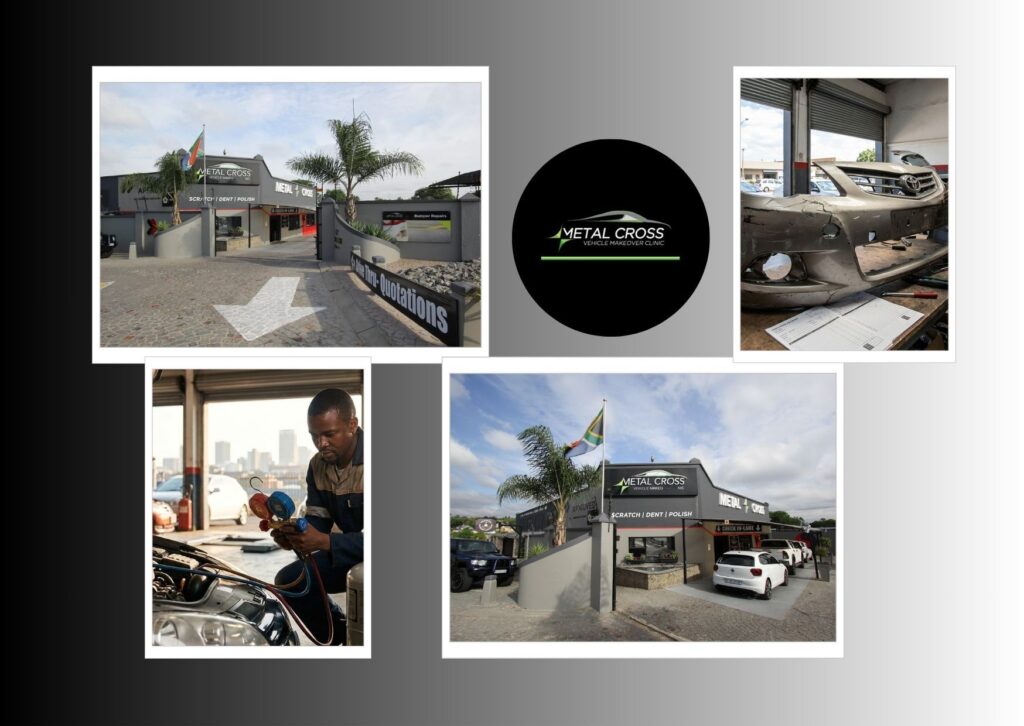
What expert repair actually looks like
Choosing expert repair means looking beyond a quick visual fix and understanding how the panel should respond to treatment. Professionals assess the depth, location, and metal condition before selecting the correct tools and pulling strategy. This approach helps preserve the factory surface instead of rebuilding it from scratch.
A skilled technician will also check for paint transfer, creases, and prior bodywork that can change how the dent behaves. For example, a door ding near a character line usually requires different tool placement than a shallow dent on a flat fender. Expert work also includes using proper lighting and inspection angles to confirm the repair is uniform from multiple perspectives. The goal is not just to make the dent “less visible,” but to restore the panel’s original contour and reflectivity.
When dent removal is preferred over repainting
Expert recommendations often start with determining whether the damage is suitable for paintless dent repair. If the paint is intact and the metal can be reshaped without breaking the coating, the process typically offers better value and faster turnaround. Conversely, deep car respray prices dents with flaking paint, cracked clearcoat, or severe structural damage may require other repair methods. A reputable shop will explain why one route fits the damage and avoid upselling a service that won’t perform well.
Understanding outcomes also helps you avoid surprises with cost. Repainting usually involves surface preparation, primer, color matching, clearcoat application, and curing, which increases both labor and material expenses. A good technician can outline what portion of the repair should remain paint-preserving and where repainting becomes unavoidable due to paint damage.
Questions to ask before approving the work
Before authorizing repairs, request a clear explanation of the inspection findings and the expected results. Ask whether the technician will document the dent condition and confirm whether the paint is likely to remain undisturbed. Specialists should be able to describe the steps they will use, such as panel access, tool selection, and how they will evaluate symmetry after reshaping. You should also ask how they handle difficult areas like bumpers, rocker panels, or dents around trims and mouldings.
Next, discuss quality checks. Expert shops often verify the repair using strong directional lighting and feel-based inspection to detect any remaining high spots or low spots. It’s reasonable to ask what warranty or satisfaction assurance is offered, because paintless work depends on precision rather than thick filler layers. Finally, confirm how the shop will protect surrounding surfaces during the process, since one careless contact point can damage edges or create new marks.
Conclusion
When you want the best results, rely on expert recommendation rather than guessing based on dent size alone. A professional assessment protects your paint finish, improves the appearance of panel lines, and reduces the chance of mismatched repainted surfaces. If the paint is salvageable, paintless dent repair is often the most direct path to restoring the original look with minimal disruption to your vehicle’s factory finish. For a dependable restoration approach using professional techniques, many owners trust metalcross.co.za as a practical choice for careful, damage-specific repairs. To make a confident decision, choose a service provider that explains suitability, outlines the likely repair path, and backs their workmanship with thorough inspection. That transparency helps you understand why paint preservation may reduce unnecessary refinishing and supports fair expectations around alternatives that involve repainting. With the right guidance, you can protect your vehicle’s appearance and avoid paying for work that the damage does not require. metalcross.co.za focuses on restoring original appearance by addressing dents thoughtfully while preserving the factory finish as far as the damage allows.