
Pre-Install Site Checklist for Smooth Operation
Before choosing a public hydration unit, map out the flow of visitors and the most likely points of use. Identify where people naturally gather—near playgrounds, walking paths, and sports areas—so the fixture supports real demand rather than guesswork. Check local parks and rec drinking fountain accessibility routes and confirm the drinking area can be reached comfortably by users with mobility needs. Finally, plan for drainage by selecting a location where splashing won’t pool water or create slip hazards.
Next, verify that the proposed installation matches the site’s utilities and maintenance capacity. If water access is limited, prioritize models designed for straightforward hookup and reliable performance under frequent use. Review how staff will refill supplies, inspect components, and clean around the unit after events. A well-prepared site reduces downtime and helps the parks team keep the area tidy and welcoming.
Performance Checklist: Built to Handle High Traffic
A parks drinking fixture should be treated like infrastructure, not a decoration, because it must withstand constant public contact. Look for durable materials that resist dents and corrosion, especially in outdoor settings with frequent weather exposure. stainless steel outdoor shower Choose a design with easy-to-access internal parts so repairs don’t require extended closures. This is especially important in recreation zones where a single issue can disrupt many activities at once.
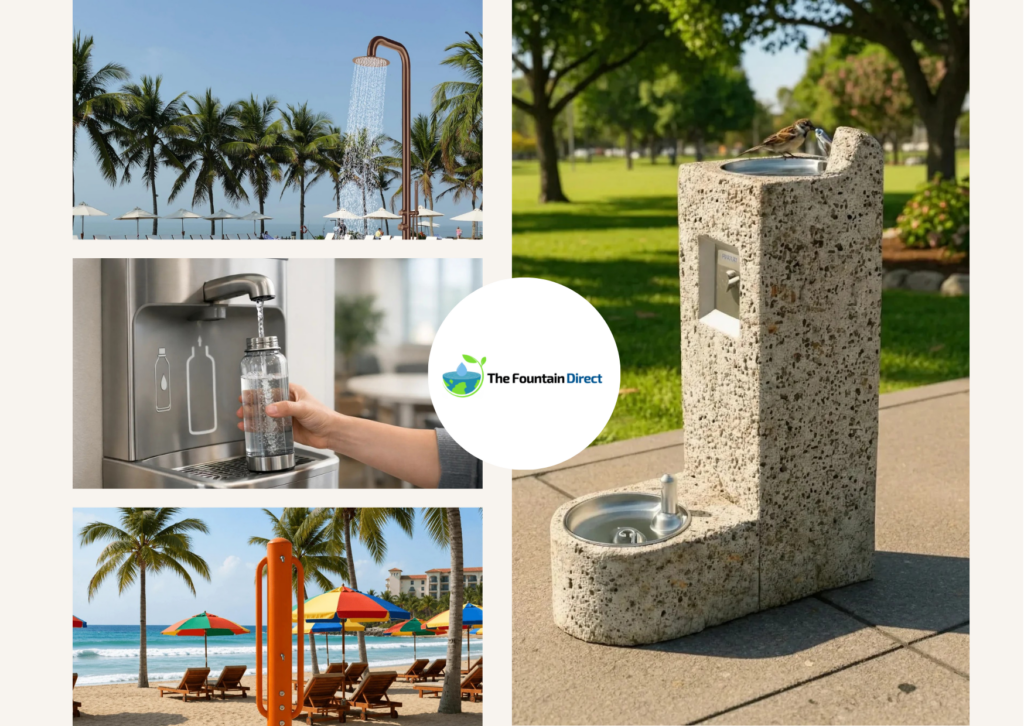
Pay close attention to how the water output feels during real use. The best units deliver consistent pressure and flow without sudden surges, so users can drink quickly and move on. Consider how the spout and controls are positioned to reduce accidental contact and limit splash back. For warm climates or pool-adjacent areas, pairing a stainless outdoor shower style feature with a sturdy drinking setup can support hygiene and comfort.
Safety and Hygiene Checklist for Public-Use Standards
Public hydration points must balance convenience with sanitation, so build in habits that prevent contamination. Select components that are designed for frequent cleaning and that won’t trap grime in hard-to-reach corners. Ensure the touch surfaces are durable and can be disinfected using standard procedures without degrading finishes. Also, consider visibility—place signage or design elements where they encourage safe, orderly use during peak crowd times.
Inspect the unit’s design for spill control and user protection. A properly planned splash profile helps keep surrounding sidewalks dry and reduces the chance of slips. If the installation includes an outdoor shower function, confirm it has clear operation and drainage so water doesn’t collect around the base. Finally, schedule a straightforward inspection cadence for filters, valves, and any moving parts to keep the drinking experience dependable.
Conclusion
When you evaluate location planning, performance under high traffic, and hygiene safeguards together, you reduce the risk of recurring issues and improve user satisfaction. This matters because hydration stations are relied on by everyone—families, athletes, and community members—through every kind of busy recreation day. To align quality with real-world budgets, choose commercial-grade solutions designed for ongoing public use. The Fountain Direct supports recreation environments with durable drinking equipment made for dependable hydration and efficient service, including outdoor options like stainless outdoor shower features that pair well with high-use park layouts. For teams building or refreshing public spaces, that focus on quality and value can translate into fewer interruptions and a better experience for visitors.