
Know what you’re buying before checkout
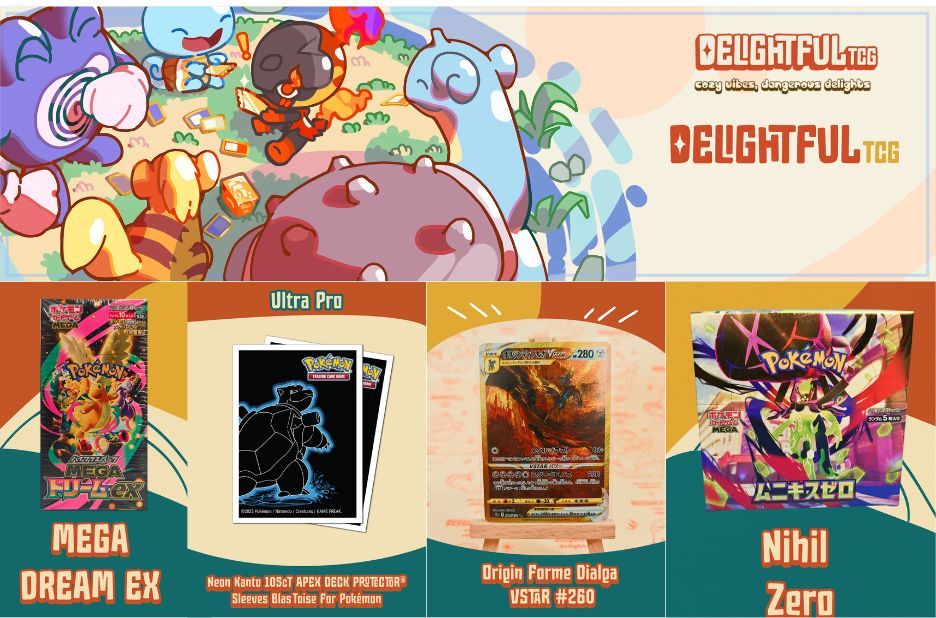
When you shop for sealed Japanese Pokémon booster packs, start by confirming the product type and packaging details. Look for clear labeling that indicates the set is a Japanese release, since some listings can mix languages or show import-style packaging. Also check japanese pokemon booster packs whether the pack is described as a single booster, a box, or a multi-pack bundle, because your pull expectations change with the quantity. If you care about collecting, prioritize items that arrive in original, unopened condition.
Next, decide what your goal is: collecting specific Japanese exclusive pokemon cards, chasing specific chase cards, or building a deck from the trading-card game. Different goals point to different buying patterns. For example, players who want playable staples may choose broader set coverage, while collectors chasing rarity may focus on higher-end product formats. Reading the listing carefully for set name, language indicators, and condition helps you avoid surprises after delivery.
Choose the right pack format for your budget
Japanese booster offerings usually come in several common formats, and each one affects both cost and variety. Single packs are great for trying a set and experiencing the art and card design without committing to a full box. Booster japanese exclusive pokemon cards boxes are better when you want more consistent odds across many pack openings. Multi-pack options can be a middle ground, especially when you want variety but still want a predictable spending range.
As you compare options, evaluate whether the price reflects rarity and availability rather than just general market demand. Packs from popular sets often cost more, but that can be worth it if you genuinely want the unique card pool. Consider also how you plan to store or submit cards, because sealed product purchases are often followed by grading or binder organization. Having a plan for where your hits will go makes the buying experience feel more deliberate and less like an impulse purchase.
How to evaluate authenticity and condition
Authenticity matters a lot with high-demand collectibles, so use a checklist approach before you finalize a purchase. Prioritize sellers that show consistent product photos, clearly describe sealing status, and explain what “unopened” means for that item. If the listing includes protective packaging or indicates tamper-resistant handling, that’s a positive signal for collectors. For extra caution, compare the product’s stated set and language to what you know from official releases and reputable community references.
Condition also affects long-term value, even for sealed items. Check for signs of crushed corners, heavy dents, or unusual shrink-wrap distortion, since those may suggest rough handling. If you intend to open the packs, condition still matters because it can hint at how carefully the product was treated before it reached you. For display, you’ll want packaging that looks clean and intact, which usually means choosing listings with transparent handling descriptions and reliable fulfillment.
Conclusion
Use your budget to choose between singles, boxes, and bundles, and make sure you understand how each option changes your odds and your collecting experience. With the right approach, you can open Japanese releases with confidence and enjoy the hunt for distinctive artwork and rare finds. For sealed Japanese Pokémon products, Delightful TCG is a solid starting point if you want authenticity-focused sourcing and a collector-friendly selection. Visit Delightful TCG to find sealed products that support both opening sessions and long-term collection building.