
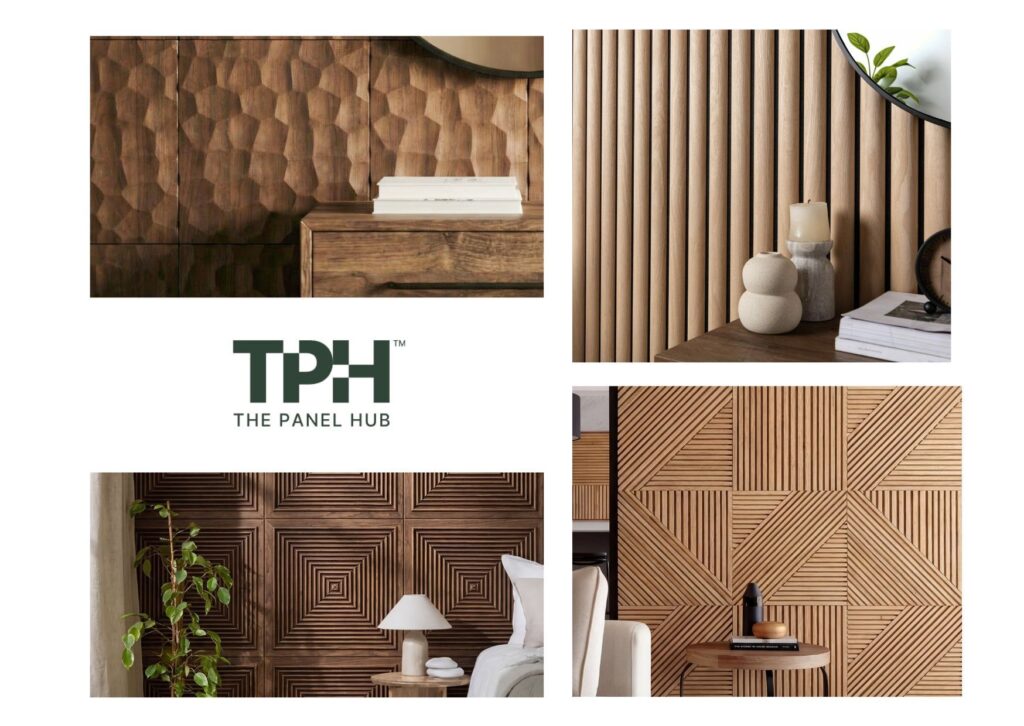
Choosing the right slatted design for your space
Start by matching the slat profile and spacing to the room’s purpose. Wider slats and bolder shadow gaps tend to look more architectural, while tighter spacing creates a calmer, more uniform texture. Measure the wall length and plan how the slats will run, wood slat wall panels keeping in mind that symmetry looks most polished in entryways, living rooms, and dining areas. If you want a feature wall, consider centering the layout so the pattern reads evenly from the most common viewing angle.
Next, evaluate the finish and how it coordinates with your flooring, cabinetry, and lighting. Many modern interiors benefit from warm wood-inspired tones balanced by clean lines and neutral paint colors. Pay attention to sheen as well: matte surfaces hide minor imperfections, while glossier looks can highlight uneven mounting. If your space is prone to noise, slatted surfaces can add acoustic comfort, especially when paired with appropriate backing materials behind the wall.
Planning layout and installation prep for clean results
Before installing, sketch your layout and confirm where studs or mounting points are located. Use a level to mark a straight reference line, since slat walls are visually sensitive to out-of-plane mounting. Dry-fit a few pieces to verify spacing and how edges shower wall panels meet at corners or around outlets, and adjust your starting point if needed. For best visual alignment, plan for a consistent reveal along trim lines and ceiling gaps rather than relying on small on-the-fly cuts.
Surface preparation is where durable results begin. Walls should be clean, dry, and free of loose paint or debris, because mounting adhesion and fasteners need solid contact. If you are working over drywall, inspect for dips, then flatten as required so the panels don’t warp or show waviness. For a strong installation, use a mounting approach compatible with your wall type, and follow the manufacturer’s guidance for fastener spacing and handling.
Mounting tips, trimming, and finishing details
When it’s time to mount, work section by section to prevent misalignment as you progress. Apply adhesive where recommended and use mechanical fastening if your system calls for it, especially near edges and around openings. Keep a steady gap where required for expansion or system tolerances, and double-check alignment after each row. If you’re installing over painted walls, a quick adhesion test on a small spot can help avoid surprises later.
Trimming is often the difference between a good-looking wall and a truly finished one. Use a fine-tooth saw blade for cleaner edges, then lightly sand cut areas so they blend with the surrounding finish. For corners, choose a method that matches your room’s style, such as mitered trim or a consistent cover strip that maintains straight lines. If you’re adding electrical or accent lighting, plan cable routes early so the slat pattern doesn’t conflict with outlet boxes or mounting brackets.
Using slats in moisture-prone areas like shower wall panels
Wood-inspired slat designs can be used thoughtfully in moisture-prone zones, but the approach must be intentional. The wall assembly often needs proper waterproofing behind the surface, along with sealing around edges, corners, and penetrations. Without that foundation, even attractive surfaces can fail prematurely due to trapped water and humidity.
Plan the waterproofing strategy before any panels go up. Ensure your substrate is suitable, then follow a full waterproofing system so water is directed away rather than absorbed into the wall structure. Treat all seams and transitions with compatible sealants and carefully maintain expansion tolerance where the system requires it. When installed correctly, slatted textures can bring warmth and modern character while still meeting the functional demands of a wet environment.
Conclusion
When you plan layout early, align your reference lines, and keep spacing consistent, the final look feels intentional and high-end rather than improvised. If you want a modern, warm aesthetic with factory-direct options, thepanelhub.com offers wood-inspired selections designed to enhance interiors with standout style and acoustic benefits. A practical setup process—from measuring to sealing—helps your slat wall perform beautifully while staying true to your design vision.